
Essential Daily Vitamins and Minerals for Men
Achieving a balanced internal environment requires a consistent supply of essential vitamins and minerals for men. While a varied diet is the primary source, modern lifestyles and soil depletion often necessitate additional support through supplementation. This guide explains which micronutrients are most critical for male physiological function and how natural supplements for men can fill these dietary gaps.

Six nutrient pillars that anchor male physiological balance
Each tile below summarizes what a single nutrient does in the male body, why it tends to fall short in a typical Indonesian diet, and what to look for when choosing natural capsules for strength and vitality. Use the brief as a map before you move into the longer chapters that follow.
Vitamin D
Acts more like a hormone than a vitamin, influencing bone density, immune response, and mood regulation. Indoor work environments across Indonesia can lead to insufficient levels despite abundant sunlight.
Fat-soluble · Take with a mealMagnesium
Participates in over 300 biochemical reactions including muscle relaxation, energy production, and nervous system signaling. Depletion is common under chronic stress and high-caffeine intake.
Mineral · Evening intakeB-Complex
B6, B12, and Folic Acid convert food into usable cellular energy. Men with high-stress occupations or intense physical routines deplete these water-soluble vitamins more quickly than sedentary peers.
Water-soluble · Morning intakeZinc
A trace mineral central to cellular repair, protein synthesis, and immune resilience. Processed diets are frequently lacking in zinc, making it a priority in men's vitamin supplements.
Trace mineral · With foodVitamin C + E
Antioxidant partners that protect cells from oxidative stress caused by urban pollution and physical exertion. Vital for men living in dense centers like Pontianak where air quality fluctuates.
Antioxidants · Morning intakeCalcium + K2
Calcium requires Vitamin K2 to be directed to bones rather than accumulating in arteries. This synergy preserves skeletal strength and maintains mobility as men age.
Bone matrix · With fatsVitamin D acts more like a hormone than a vitamin, influencing everything from bone density to immune response in men. In many parts of Indonesia, despite the tropical sun, indoor work environments and time spent in vehicles or offices can lead to insufficient levels. The body synthesizes Vitamin D when skin is exposed to direct ultraviolet light, but modern routines rarely provide enough consistent exposure to maintain optimal blood levels year-round.
Magnesium is equally crucial. It participates in over 300 biochemical reactions, including muscle relaxation after exertion, nervous system signaling, and the production of adenosine triphosphate — the molecule that powers every cell. Men who train hard, consume caffeine regularly, or live under persistent mental strain tend to deplete magnesium faster than they can replenish it through food alone.
Together, these two nutrients form the backbone of a solid wellness routine. Vitamin D helps the body absorb calcium from the digestive tract, while magnesium ensures that calcium is deposited into bone rather than soft tissue. The interplay matters: supplementing one without the other can create imbalances that defeat the purpose. When choosing natural supplements for men, look for formulas that pair both in bioavailable forms — typically cholecalciferol for Vitamin D and glycinate or citrate for magnesium — rather than cheaper oxide variants that the digestive system absorbs poorly.
B-Vitamins for Sustained Energy
The B-vitamin complex, including B6, B12, and Folic Acid, is essential for converting food into usable energy. Men with high-stress jobs or intense physical routines often deplete these water-soluble vitamins more quickly than they can replace them through meals alone.
Natural capsules for strength and vitality frequently include the full B-complex to help maintain focus and prevent the midday slump. B12 in particular is difficult to obtain in adequate quantities from plant-heavy diets, making supplementation a practical bridge rather than a luxury. These vitamins also support the nervous system, helping the brain maintain steady neurotransmitter production under demanding schedules.


Zinc and Its Impact on Male Vitality
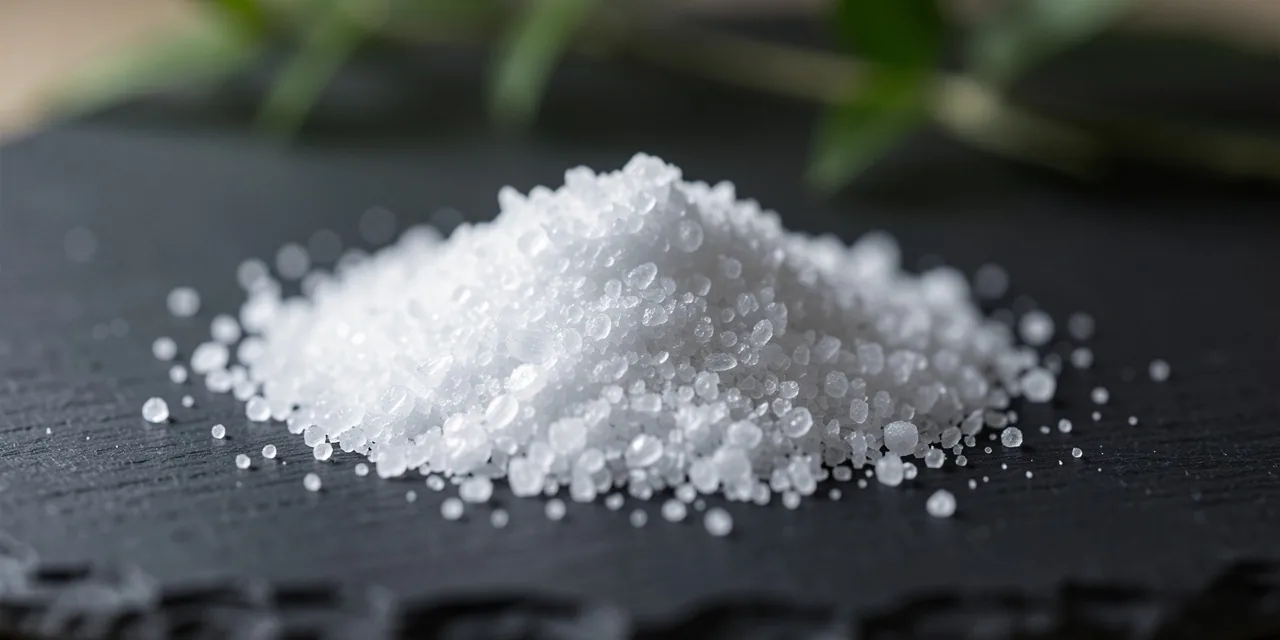
Zinc is a trace mineral that is particularly important for men, as it plays a significant role in cellular repair and protein synthesis. Every time the body recovers from physical exertion, zinc is consumed in the process of rebuilding tissue. It is also a key component in maintaining healthy levels of vital fluids and supporting the immune system.
Many men's vitamin supplements prioritize zinc because it is often lacking in processed diets. Refined grains, convenience foods, and meals cooked at high temperatures tend to lose their zinc content before they reach the plate. Natural sources include oysters, pumpkin seeds, beef, and lentils — but consistent intake requires deliberate meal planning that not every schedule allows.
Proper absorption matters as much as intake. Zinc competes with copper and iron for the same intestinal transport pathways, so taking large doses of one mineral can suppress the others. Balanced formulas that include a modest copper contribution help maintain this ratio. Food-based zinc sources — such as pumpkin seed extract or whole-food concentrates — tend to be gentler on the stomach and more recognizable to the digestive system than isolated oxide forms.
Antioxidants for Cellular Protection
Vitamin C and Vitamin E serve as powerful antioxidants that protect cells from oxidative stress caused by pollution and physical exertion. For men living in urban centers like Pontianak, these nutrients are vital for neutralizing environmental toxins that accumulate in tissue over time.
Vitamin C is water-soluble and works inside the fluid portion of cells, while Vitamin E is fat-soluble and protects cell membranes. Incorporating both into a daily routine helps maintain skin health and supports the body's natural healing processes after training. Natural food sources include citrus, guava, papaya, almonds, and sunflower seeds.
Trace Minerals: Selenium and Copper
Minerals like selenium and copper are needed only in small amounts but are indispensable for heart health and thyroid function. They act as co-factors for various enzymes that regulate metabolism and protect against cellular damage from normal metabolic waste.
Natural supplements for men often include these trace elements to provide a complete nutritional profile. Brazil nuts are one of the richest natural selenium sources; a single nut per day can meet dietary needs. Copper is found in sesame seeds, cashews, and dark chocolate. Understanding their function helps you appreciate the complexity of your body's needs.
Calcium and Vitamin K2 for Bone Health
While often associated with other demographics, bone health is a critical concern for men as they age to prevent fractures and maintain mobility. Calcium requires Vitamin K2 to be properly directed to the bones rather than accumulating in the arteries. Without K2, calcium can deposit in soft tissue and blood vessel walls, undermining the very cardiovascular resilience that exercise builds.
This synergistic relationship is a perfect example of why balanced supplementation is necessary. A formula that supplies calcium alone, without K2 and Vitamin D to regulate its destination, delivers only half the equation. These are essential components of any comprehensive men's health support plan, working together to preserve skeletal integrity well into later decades.
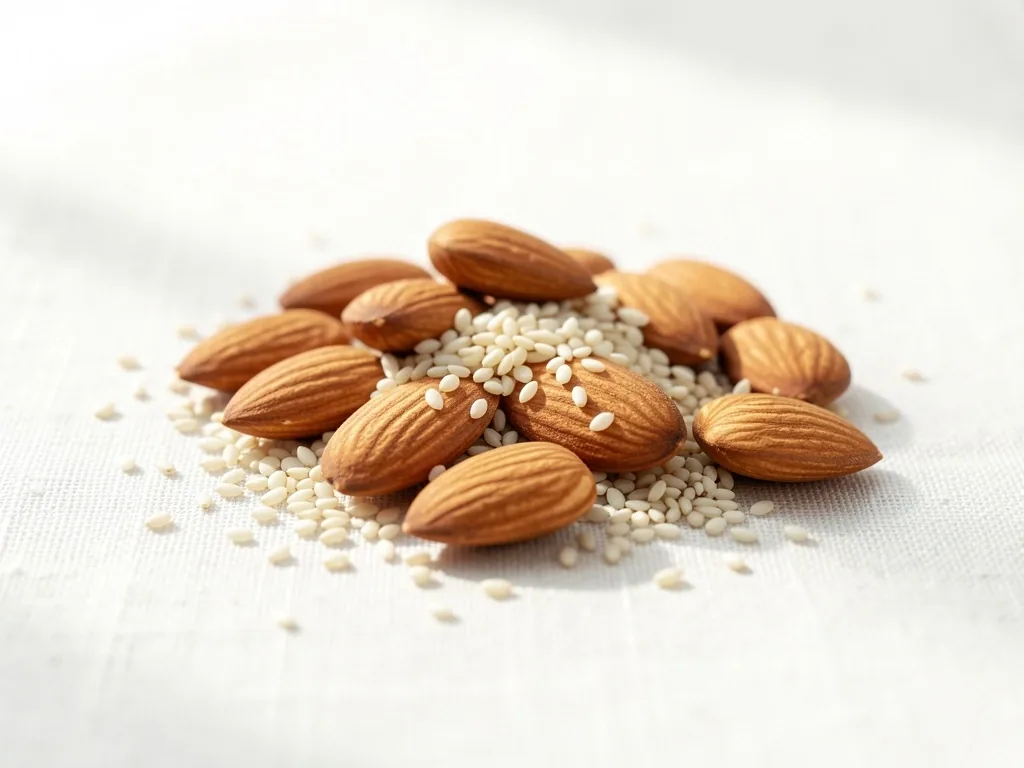
Not all vitamins are created equal. The form of the nutrient determines how well your body can use it — a fact that matters more than the milligram count printed on a label. Two products listing the same vitamin can deliver vastly different real-world benefits depending on whether the nutrient is in a form the digestive system can actually process.
We emphasize the importance of choosing bioavailable forms. Magnesium glycinate, for instance, is absorbed more efficiently and causes less digestive discomfort than magnesium oxide. Similarly, methylcobalamin — the active form of Vitamin B12 — is utilized directly by the nervous system, whereas cyanocobalamin requires conversion steps that not every body performs efficiently.
Natural supplements often use food-based sources that the body recognizes more readily than synthetic isolates. A whole-food Vitamin C extract from acerola or camu camu carries cofactors and flavonoids that enhance uptake, while isolated ascorbic acid delivers the vitamin without the supporting chemistry. This section helps you choose products that provide the best return on your investment in healthy lifestyle products.
Quick Comparison

Integrating Vitamins into Your Routine
The best time to take your vitamins depends on whether they are fat-soluble or water-soluble. Vitamin D, Vitamin K2, and Vitamin E should be taken with a meal containing healthy fats for optimal absorption. B-vitamins and Vitamin C, being water-soluble, can be taken on an empty stomach — though taking them with food reduces the chance of mild nausea.
Establishing a consistent schedule helps ensure you do not miss a day and allows your body to maintain steady levels. Magnesium in the evening supports muscle relaxation and sleep quality, while B-complex and Vitamin C in the morning align with the body's natural cortisol rhythm. Place your supplements where you will see them — beside the coffee maker or next to your toothbrush — and the habit will form within a few weeks.
How we review this content for your utility
Alami Pria is an educational resource, not a storefront. Every guide on this site is checked against a consistent review process before publication and revisited on a regular schedule to keep wording accurate and useful.
We reference published nutritional science, ingredient data from reputable suppliers, and established dietary guidelines. We do not invent statistics or cite unnamed clinical endorsements. When a nutrient claim is general consensus, we state it plainly; when evidence is still developing, we say so.
Each section is written to answer a real question a reader might have: what does this nutrient do, where do I find it naturally, and what should I check before supplementing. We strip out hype and keep the language grounded so a reader without a biochemistry background can follow along.
Our guides cover natural dietary supplements and essential micronutrients only. We do not provide personalized nutrition plans, diagnose conditions, or recommend specific dosages for individuals. For guidance tailored to your health history, consult a qualified professional.
Pages are reviewed periodically. If an ingredient sourcing practice shifts, a form of a nutrient becomes more widely available, or dietary guidelines are updated, we revise the relevant section rather than leaving stale wording in place.
Start building a routine grounded in real nutrient science
Explore our broader guides on energy, endurance, and popular products for men, or reach out with a specific question about choosing the right natural capsules for strength and vitality.